A look into the Future of ACT
"The ACT-based intervention aims to promote individuals' new health
There is now a large amount of empirical data to support Acceptance and Commitment Therapy (ACT) for various mental health concerns. In 2006, there were only nine randomized trials on the ACT that were officially announced by the American Journal of Psychiatry. The therapy was brand new. But today, there have been at least 185 randomized trials, with another several dozen in Iran and China that aren't accessible to English-language audiences. The explosion of research in just the last decade proves that ACT is no more at an infant stage. There is a myriad of statistics available of other studies that focus on the components of Acceptance and Commitment Therapy(e.g., the six flexibility processes), showing that each one is psychologically impactful on its own. Mediational studies also show that ACT works in an immensely effective way by targeting individual concerns uniquely and bringing out personalized tools for different patients.\
Future of ACT

It is clear now that ACT has created a milestone in the study of psychotherapy and is now broadly acknowledged as an evidence-based therapy. More than a hundred books about ACT are available in the market, adapted for all kinds of topics. ACT is widely used to treat PTSD, stress, panic attacks, and anxiety. In some cases, it has proven to be a better option than CBT or DBT. The model has been tweaked and refined to cater to the individualistic requirements. New clinical innovations have been created and implemented as a result there are many variations of Acceptance and Commitment Therapy.
Here are a couple of changes taking place in Acceptance and Commitment Therapy that can give you a glimpse into its future.
- Over the last decade, the concept of self-as-context has been simplified and applied in various case studies and treatments. This change hasn't made its way into books yet, but we can expect its revelation soon. Self-as-context was earlier complex and hard to understand, it's practice wasn’t viable, but today it has become way more straightforward. Changes in self-as-context usage have tightened the link between ACT and the growing theories on compassion and self-compassion. The links between self-as-context and its underlying model of language, relational frame theory, have also been made stronger and flexible.
- The international growth of Acceptance and Commitment Therapy and growing diversity inside the US has encouraged the aspect of culture and identity in the implementation of ACT. Recent political events in the US and worldwide have made inclusivity and diversity even more important, which is why the need to address these issues with ACT is becoming significant today. Prominent ACT writers, clinicians, and researchers and inside the Association for Contextual Behavioral Science (the home and community of professionals who study and practice ACT) believe that Acceptance and Commitment Therapy is not just a therapeutic model that is used to eliminate mental health issues, it is more than that. It is the very integration of socio-cultural elements with the tools of evidence-based treatment techniques. Issues of multiculturalism and cultural adaptation of treatment models are increasingly being attended to, and new ideas are emerging.
Conclusion
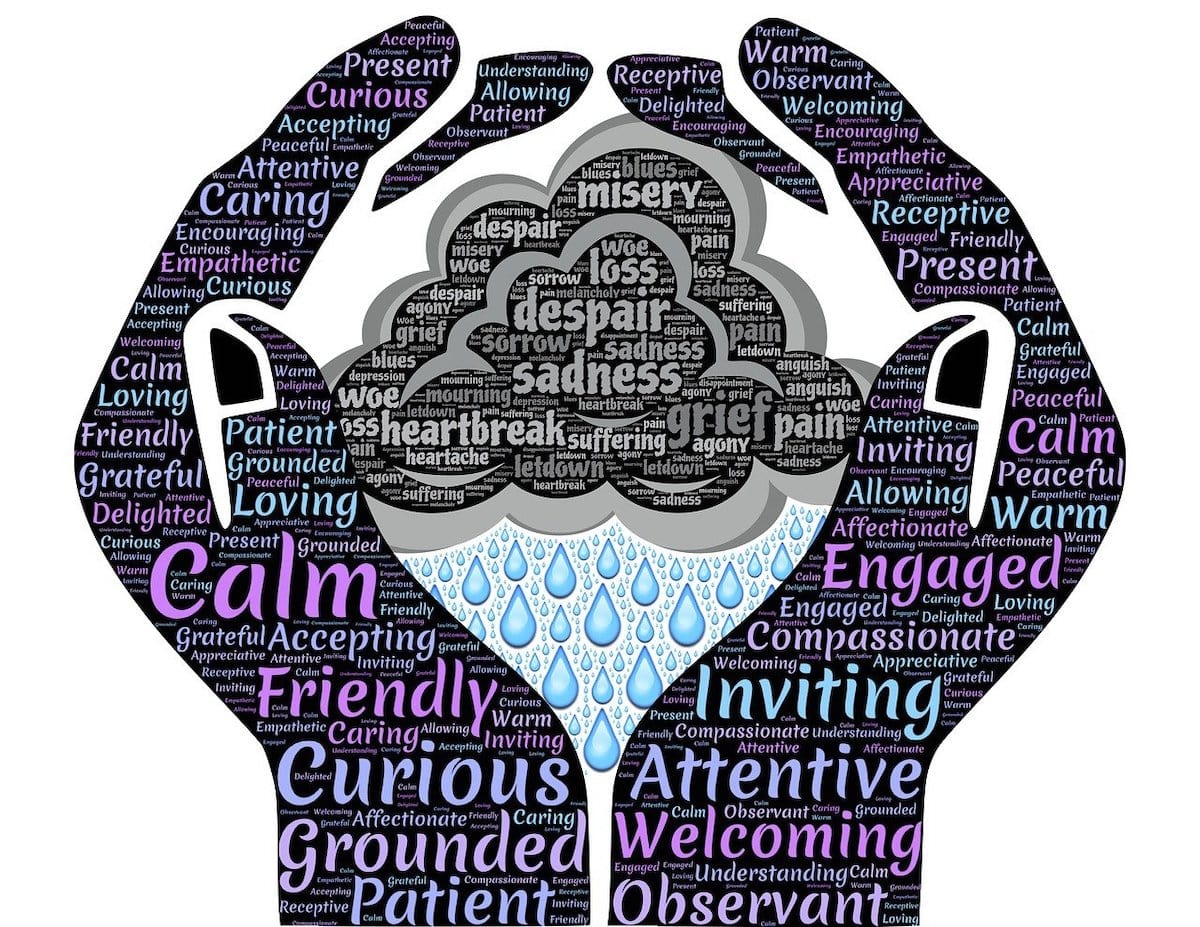
A lot has changed in the last 15 years in psychotherapy, and ACT has been at the vanguard of these changes. Acceptance and Commitment Therapy has a solid empirical base that has its roots in the very nature of human language and cognition. It is curated upon powerful behavioral elements that flow from, and are in some sense guided by a coherent philosophical and theoretical foundation. The treatments that followed this formula, i.e., the ACT model, such as exposure therapies for anxiety problems, have been enormously successful and have shown long-term efficacy.
In case you are looking to learn more about evidence-based therapies, checkout ACT Coach, DBT Coach, CBT Companion apps for augmenting the experience of the therapy sessions. The Swasth Clinician Platform allows for better engagement with your therapist.
相关文章
Acceptance And Commitment Therapy Act
ACT for anxiety
Acceptance and commitment therapy (ACT) for anxiety disorders is an
2020年8月6日 · 4 min read
Acceptance And Commitment Therapy Act
What is Acceptance and Commitment Therapy?
>+
2017年4月18日 · 5 min read
Acceptance And Commitment Therapy Act
6 core processes of ACT
"The goal of Acceptance and Commitment Therapy is to create a
2020年8月12日 · 5 min read