"Stress Vs Anxiety: How to Tell the Difference and Get Help?"
The primary difference between stress and anxiety is that stress is
Pe această pagină
Most people experience stress and anxiety at some point in their lives. Depending on the degree of intensity, they can deleteriously impact one's way of life. Although stress and anxiety share many similar physical and emotional symptoms – uneasiness, tension, severe headaches, high blood pressure, fatigue, and insomnia usually originate for different reasons. Therefore, it's important to determine which of the mental health issues you are experiencing to find an effective treatment plan and ensure a better quality of life for yourself.
What is Stress?
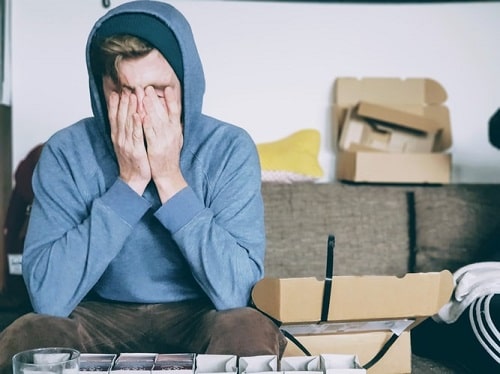
Stress is usually a response to an external cause, such as piled up work at the office or an argument with a friend, that subsides once the problem has been resolved. This is how stress is different from anxiety - it is dependent on the stressor; once the underlying stressor is relieved, stress can also be seen to disappear. You can relate it to fight-or-flight response where our adrenal glands pump out enough hormones that can prepare our bodies to face any perceived threat in the environment. At this point, you can find your heart pounding faster, muscles tensing up and breaths getting heavier. Although these symptoms may not be very harmful, prolonged stress can harm your psychological and physiological well-being. If your body is frequently succumbing to such hyperdrives, you may have to deal with severe headaches, gastrointestinal problems, muscle pain, and even cardiovascular diseases. Stress can also affect your sleeping and eating patterns, focus, and productivity levels. If you are experiencing chronic stress, there are plenty of ways to manage and reduce it - physical activity, adequate sleep, and breathing exercises are great ways to help to alleviate stress.
What is Anxiety?
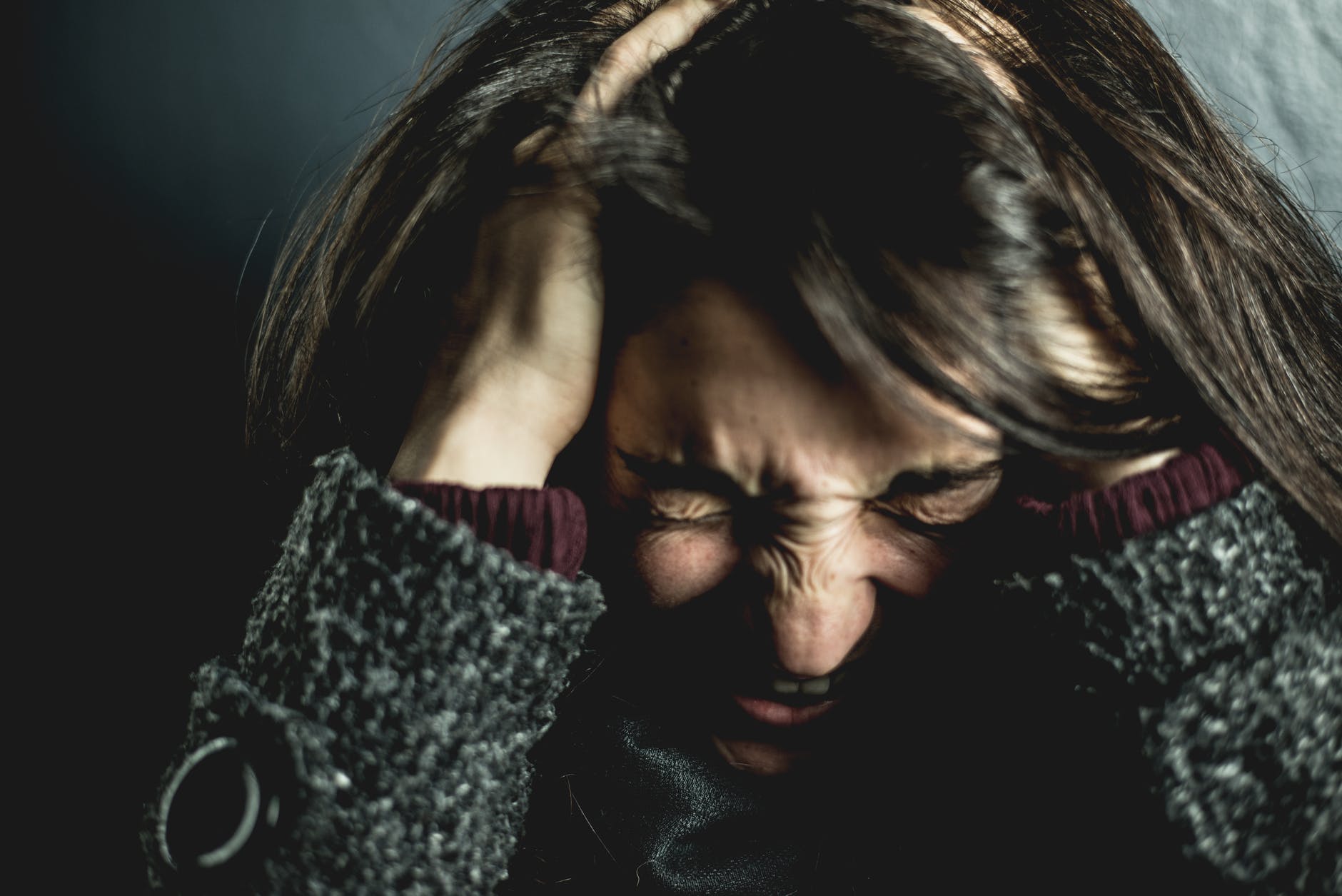
Anxiety disorders are the most common mental health disorder in the U.S., affecting 18% of the American population. It is an individual's specific reaction to stress, i.e., it is a type of trigger for anxiety. Therefore, the origin of anxiety is generally internal. Anxiety is typically associated with a persistent feeling of apprehension or fear, even in situations that are not as grave as the ones that make you anxious. Unlike stress, anxiety persists even after the specific stressor has subsided. In severe cases, anxiety can also take the form of anxiety disorders. According to U.S.Anxiety disorders, the most common kinds of anxiety are generalized anxiety, panic attacks, phobias, Social Anxiety Disorder(SAD), Obsessive-Compulsive Disorder(OCD), and Post-Traumatic Stress Disorder(PTSD). Note that the distinctive feature of anxiety is worry and fear. For example, if someone very close to you is suffering from a chronic disease, you will automatically be overwhelmed with his/her health most of the time. Predicting or forecasting potential dangers even when there isn't one, is human nature. But responding to every such feeling and stressing over it can cause us to worry all the time rather than pursuing our real goals. It may also lead to chronic anxiety problems later.
What are the Symptoms of Stress?
Although stress symptoms can manifest in several ways, these are some of the most common ones identified.
- Frequent headaches
- Sleep disturbance
- Back and neck pain
- Feeling dizzy
- Sweaty palms or feet
- Difficulty in swallowing
- Frequent illness
- Irritability
- Gastrointestinal issues
- Excessive worry
- Rapid heart rate
- Muscle tension
- Feeling overwhelmed
- Difficulty in relaxing oneself
- Poor concentration
- Low productivity level
- Low energy
- Loss of libido.
Symptoms of stress can vary and change over time.
What are the Symptoms of Anxiety?
Anxiety is typically characterized by excessive worry or fear. Here are some other symptoms that indicate anxiety:
-
Difficulty in managing worry
-
Restlessness
-
Easily fatigued
-
Poor focus
-
Irritability
-
Muscle tension
-
Sleep disturbance
-
Hyperactive reactions
-
Psychosomatic symptoms: Headaches, stomach-aches, dizziness.
-
Physical symptoms: Shortness of breath, fast heartbeat, excessive sweating, shortness of breath, chest pain.
What are the Available Treatments?
For Stress
Learning to cope with stress is all about trial and error, i.e., what works for others may not work for you. Here is a list of tools that can help you combat stress.
1. Mindfulness Meditation Skills

Mindfulness meditation skills imply being fully aware of the present. These skills require you to learn to observe, describe, and experience the events of thoughts, sensations, emotions, and things happening externally in the environment, with a nonjudgmental stance. They help people interpret and regulate emotional vulnerabilities, thereby introspecting and reciprocating more responsibly. Take a walk in the park or watch the sunrise to reconnect with the natural world again.
2. Diaphragmatic breathing
It is the process of taking deep breaths to control the heartbeat rate and lower stress efficiently. Focus on each breath of yours, and experience the feeling of every moment attentively - sound, temperature, scent, and physical sensations.
Begin to access your distress thoughts and allow them to exist without judging or attributing negativity to it. The result may evoke strong emotional reactions, but an attempt to explore it will ascribe confidence to address and resolve inner challenges.
3. Listen to Music
Listening to slow relaxing music can ease your mind, decrease your stress response, and increase your focus level.
For Anxiety
The two main treatments for anxiety are psychotherapy and medication, and at times, people may even benefit from both of them. However, it's important that you seek help from a trained professional before choosing either of the two.
1. Psychotherapy

Talk therapy is beneficial in helping people recognize, analyze, and cope with their triggers of anxiety. Cognitive Behavioral Therapy (CBT) is a highly effective, short-term treatment that helps people learn to adapt skills to target their specific triggers and combat anxiety for a healthy life.
2. Medication
Many times, healthcare providers recommend and prescribe medications like antidepressants for treating anxiety. They have mild side effects and can be used for an extended time. Although they can help alleviate certain anxiety symptoms, you must consult a healthcare professional before using them. If you discover any side effects, contact your doctor immediately.
Seek Help
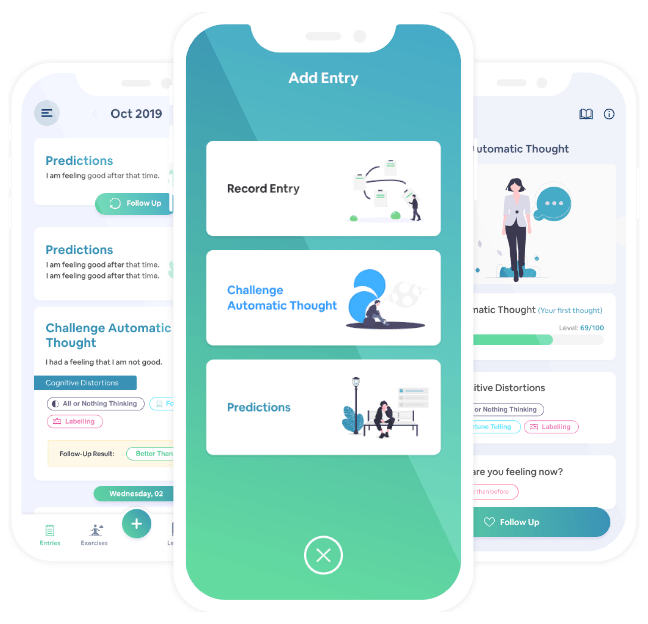
Everyone experiences stress symptoms, and sometimes this stress may overwhelm you, making you worried and anxious about situations. It is important to learn how to manage your stress and know when to seek help. When stress or anxiety is no longer manageable, and symptoms of anxiety become unbearable and obstruct your daily living, it's time to seek assistance from a trained therapist or psychologist. You can use apps like ACT Coach, DBT Coach, CBT Companion for self-help as well as for augmenting the experience of evidence-based therapy sessions.
Articole similare
Stress
"Impact of Mobile Phones on Mental Health "
Cell phone usage badly affects mental health of adolescents causing
14 sept. 2020 · 5 min read
Stress
Cognitive Behavior Therapy for Stress Management
Cognitive Behavior Therapy is an effective form of treatment for
10 aug. 2020 · 4 min read
Stress
How to deal with Remote Working Stress?
Remote working stress can lead to a myriad of mental health
1 iul. 2020 · 6 min read