What is Mindfulness?
Mindfulness is the basic human ability to be fully present, aware
Ezen az oldalon
What is mindfulness?
Mindfulness is the basic human ability to be fully present, aware of where we are and what we’re doing, and not overly reactive or overwhelmed by what’s going on around us.
While mindfulness is something we all naturally possess, it’s more readily available to us when we practice on a daily basis.

Whenever you bring awareness to what you’re directly experiencing via your senses, or to your state of mind via your thoughts and emotions, you’re being mindful. And there’s growing research showing that when you train your brain to be mindful, you’re actually remodeling the physical structure of your brain.
The goal of mindfulness is to wake up to the inner workings of our mental, emotional, and physical processes.
What is meditation?
Meditation is exploring. It’s not a fixed destination. Your head doesn’t become vacuumed free of thought, utterly undistracted. It’s a special place where each and every moment is momentous. When we meditate we venture into the workings of our minds: our sensations (air blowing on our skin or a harsh smell wafting into the room), our emotions (love this, hate that, crave this, loathe that) and thoughts (wouldn’t it be weird to see an elephant playing a trumpet).
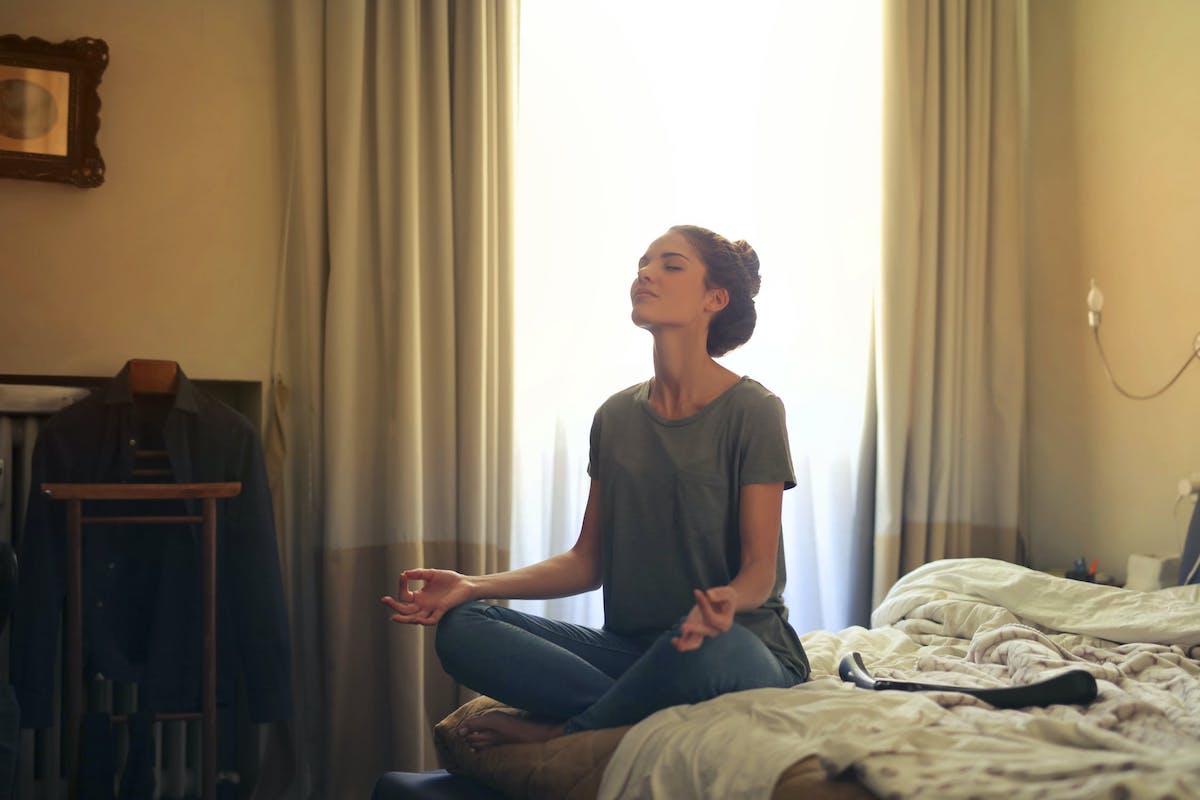
Mindfulness meditation asks us to suspend judgment and unleash our natural curiosity about the workings of the mind, approaching our experience with warmth and kindness, to ourselves and others.
How do I practice mindfulness and meditation?
Mindfulness is available to us in every moment, whether through meditations and body scans, or mindful moment practices like taking time to pause and breathe when the phone rings instead of rushing to answer it.
The Basics of Mindfulness Practice
Mindfulness helps us put some space between ourselves and our reactions, breaking down our conditioned responses. Here’s how to tune into mindfulness throughout the day:
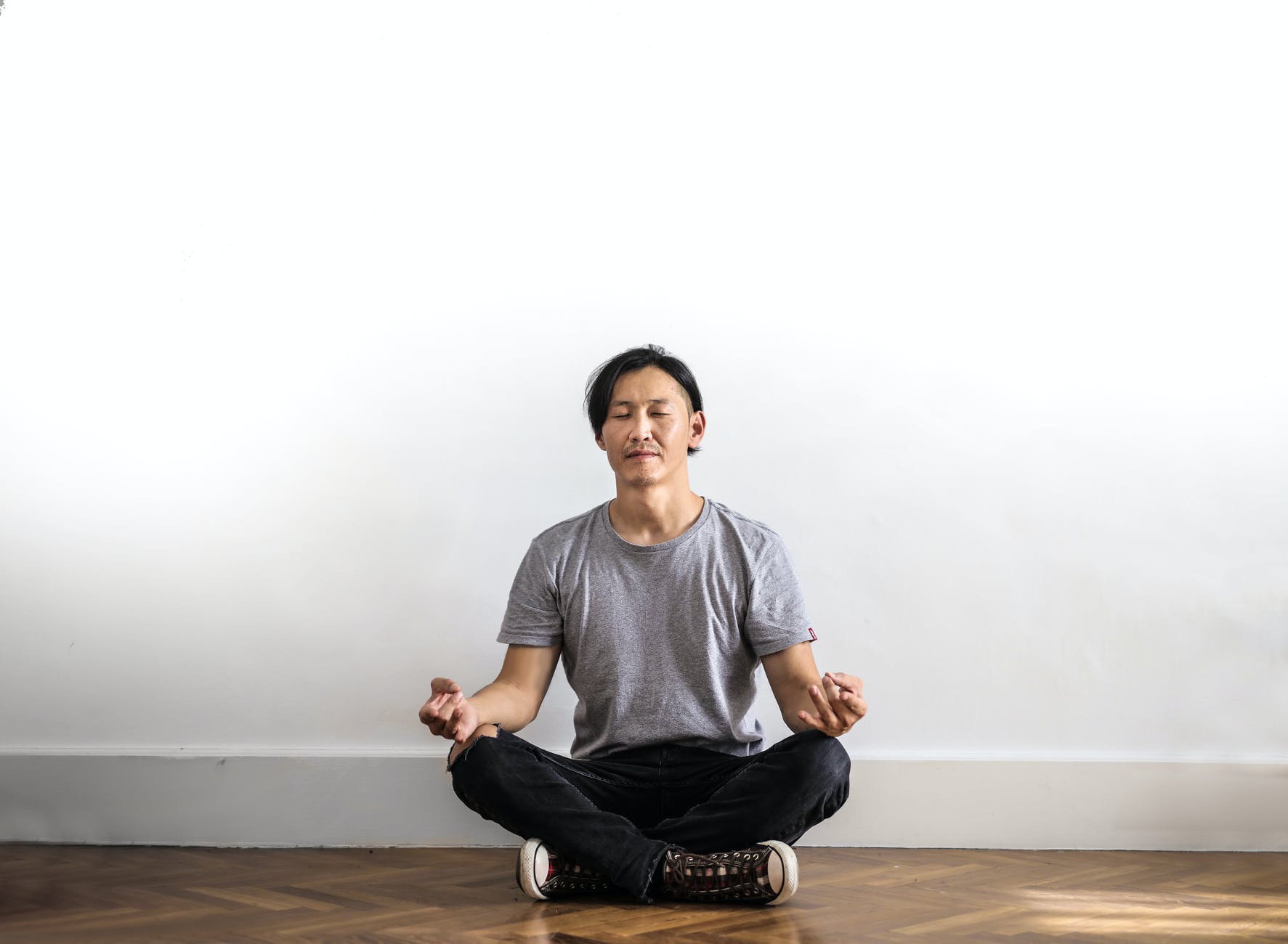
- **Set aside some time.**You don’t need a meditation cushion or bench, or any sort of special equipment to access your mindfulness skills—but you do need to set aside some time and space.
- **Observe the present moment as it is.**The aim of mindfulness is not quieting the mind, or attempting to achieve a state of eternal calm. The goal is simple: we’re aiming to pay attention to the present moment, without judgment. Easier said than done, we know.
- Let your judgments roll by. When we notice judgments arise during our practice, we can make a mental note of them, and let them pass.
- **Return to observing the present moment as it is.**Our minds often get carried away in thought. That’s why mindfulness is the practice of returning, again and again, to the present moment.
- **Be kind to your wandering mind.**Don’t judge yourself for whatever thoughts crop up, just practice recognizing when your mind has wandered off, and gently bring it back.
That’s the practice. It’s often been said that it’s very simple, but it’s not necessarily easy. The work is to just keep doing it. Results will accrue.
How to Meditate
This meditation focuses on the breath, not because there is anything special about it, but because the physical sensation of breathing is always there and you can use it as an anchor to the present moment. Throughout the practice you may find yourself caught up in thoughts, emotions, sounds—wherever your mind goes, simply come back again to the next breath. Even if you only come back once, that’s okay.
A Simple Meditation Practice

- Sit comfortably. Find a spot that gives you a stable, solid, comfortable seat.
- Notice what your legs are doing. If on a cushion, cross your legs comfortably in front of you. If on a chair, rest the bottoms of your feet on the floor.
- Straighten your upper body—but don’t stiffen. Your spine has natural curvature. Let it be there.
- **Notice what your arms are doing.**Situate your upper arms parallel to your upper body. Rest the palms of your hands on your legs wherever it feels most natural.
- **Soften your gaze.**Drop your chin a little and let your gaze fall gently downward. It’s not necessary to close your eyes. You can simply let what appears before your eyes be there without focusing on it.
- Feel your breath. Bring your attention to the physical sensation of breathing: the air moving through your nose or mouth, the rising and falling of your belly, or your chest.
- **Notice when your mind wanders from your breath.**Inevitably, your attention will leave the breath and wander to other places. Don’t worry. There’s no need to block or eliminate thinking. When you notice your mind wandering gently return your attention to the breath.
- **Be kind about your wandering mind.You may find your mind wandering constantly—**that’s normal, too. Instead of wrestling with your thoughts, practice observing them without reacting. Just sit and pay attention. As hard as it is to maintain, that’s all there is. Come back to your breath over and over again, without judgment or expectation.
- When you’re ready, gently lift your gaze(if your eyes are closed, open them). Take a moment and notice any sounds in the environment. Notice how your body feels right now. Notice your thoughts and emotions.
Kapcsolódó cikkek
Mindfulness
"Mindfulness in DBT "
Mindfulness is present at the core of Dialectical Behavior Therapy,
2020. júl. 3. · 5 min read
Mindfulness
Mindfulness Meditation: A Beginner's Guide to Getting Started
Learn the basics of mindfulness meditation, its mental health benefits, and simple techniques to begin your practice today.
2024. jan. 5. · 3 min read
Mindfulness
Impact of Covid-19 on Mental Health
>
2020. aug. 17. · 5 min read